Benzo Taper Doctors in Arizona
Benzo-friendly prescribers we have interviewed who can treat patients in Arizona, in person or by telehealth.
The short answer: we have interviewed 4 prescribers who can treat patients in Arizona and who support a slow, patient-led benzodiazepine taper: 1 with an office in the state (Scottsdale) and 3 by telehealth. Each one answered our questions about how they run tapers and approved their own listing. If none of them fits, the free provider lists and the five vetting questions in our national guide to finding a benzo taper doctor apply in every state.
Listings last verified November 11, 2026. No provider has paid for a placement on this page.
Prescribers with an office in Arizona

Michael Yasinski, MD
· Yasinski PsychiatryScottsdale, AZ — AZ, CO · accepting new patients
Nervous-system-first tapers: often a hold at the current dose to build capacity before the first cut, then roughly 10 percent reductions with holds as long as needed. Stays on the patient's current benzodiazepine rather than switching, using compounded liquids for small doses. Trained in Somatic Experiencing for the trauma work a taper can surface.
Self-pay; one-hour visits, $400. Insurance not accepted.
Verified with the provider October 27, 2026. Educational listing, not a referral or endorsement of outcomes — ask the five questions below before committing.
Telehealth prescribers licensed in Arizona
These prescribers see Arizona patients by video from anywhere in the state.

Veronica Johnson, FNP-C, PMHNP-BC
· White Oak MedicineSaluda, NC — NC, AZ, CO · accepting new patients
Preparation-first tapers: assessment, education, and planning before the first cut. Ashton-style diazepam transitions or direct tapers with compounded doses, roughly four weeks between reductions to start, with the pace set by the patient's response rather than the calendar.
Self-pay; current programs and fees are listed on the practice website.
Verified with the provider October 26, 2026. Educational listing, not a referral or endorsement of outcomes — ask the five questions below before committing.
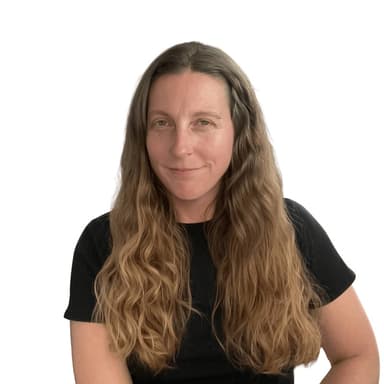
Karen LaFlair, PMHNP-BC
· Resilient Mind ClinicTelehealth — CO, AZ, ID, KY, MT, NY, WY · accepting new patients
Slow, personalized tapers using hyperbolic tapering or the Ashton Method, chosen with the patient at intake. Pairs the taper with support for sleep, nutrition, movement, stress reduction, and nervous system regulation.
Self-pay. Intake $200; follow-ups $100, typically monthly.
Verified with the provider September 21, 2026. Educational listing, not a referral or endorsement of outcomes — ask the five questions below before committing.

Francis Lankford, DNP, APRN, PMHNP-BC
· Flannel PsychiatryTelehealth — AZ, WA · accepting new patients
Individualized deprescribing informed by the Maudsley Deprescribing Guidelines and Certified Deprescriber training: hyperbolic reductions that get smaller as the dose falls, sometimes starting around 5-10 percent of the current dose with reassessment over several weeks. Symptoms and functioning set the pace; the taper can pause, slow, or use smaller steps, with liquid or compounded preparations below the smallest tablet.
Insurance and self-pay options, depending on coverage. Adults only.
Verified with the provider November 11, 2026. Educational listing, not a referral or endorsement of outcomes — ask the five questions below before committing.
Multi-state telehealth practices to check
This practice reports licensure across most of the country, but we do not hold a state-by-state list. Confirm that they can treat patients in Arizona before you book.
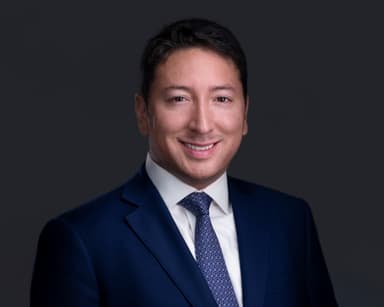
Christian Monsalve, MD
· Verigrate HealthTelehealth — 45 states and Washington, D.C.; in-person care in Dallas, New York, and Miami · accepting new patients
Precision tapering with hyperbolic-style reductions that become smaller and more exact at lower doses, using liquids, compounded formulations, and combined dosage forms. The pace is set by the patient's response; symptom flares are treated as information, not failure.
Private practice; visit costs are listed on the practice website.
Verified with the provider October 28, 2026. Educational listing, not a referral or endorsement of outcomes — ask the five questions below before committing.
Five questions to ask before you commit
An interview tells you how a prescriber describes their approach, not how your own taper will go. Ask these at a first appointment, or by phone before you book one.
- What is the smallest dose reduction you are willing to prescribe, and will you write for a compounded liquid or split doses if a patient needs cuts smaller than the available tablet?
- If a patient asks to hold at the current dose for a month because symptoms have not settled, will you agree?
- Do you set a fixed end date for a taper, or is the schedule led by how the patient is tolerating it?
- Do you consider protracted withdrawal a real phenomenon?
- Under what circumstances would you stop prescribing to an established patient mid-taper?
The doctor conversation kit puts these on a printable page, and the benzo taper calculator builds a week-by-week schedule you can bring to the first visit.
Tapering by telehealth in Arizona
A telehealth prescriber has to hold a licence in the state you are physically in, so for you that means a Arizona licence, wherever their office is. Benzodiazepines are Schedule IV controlled substances; through December 31, 2026, federal rules let a prescriber start or continue one by video with no in-person visit. If no permanent rule replaces that flexibility, new patients will need one in-person evaluation from January 1, 2027, while established prescribing relationships carry on as before. If telehealth is your route, that is a concrete reason not to wait. Individual states can add their own requirements on top of the federal rule, so ask the practice what applies in Arizona.
Why it is hard to find a taper doctor in Arizona
Benzodiazepine prescribing in Arizona fell 33.5% between 2013 and 2024 in Medicare Part D, to 428,385 claims across 114,430 patients (3.74 fills per patient a year, ranking 49 of 51 states). Of the 304 psychiatric prescribers in the state's 2024 data, 45 cut their benzodiazepine claims by half or more since 2019. Pressure to prescribe less is real, but it is not the same thing as knowing how to taper a long-term patient slowly, which is why so few prescribers anywhere advertise it. The full Arizona benzodiazepine prescribing data has the twelve-year trend and the prescriber-level table.
If none of these prescribers fits
That is common, and it is not a dead end. The Benzodiazepine Information Coalition's free list is organised by state and is the reference the patient community uses; our national guide compares it with every other free list. Most people who taper successfully do it with a prescriber who started out knowing very little, so a willing local GP is a real option too: how to talk to your doctor about a prescribed taper covers how to open that conversation.
Do you taper patients in Arizona?
If you support slow, patient-led benzodiazepine tapers and you are accepting new patients in Arizona, we would like to list you. Listings are free, we do not accept per-referral payments of any kind, and you will be asked the five questions above.
Apply to be listedFrequently asked questions
Are there benzo-friendly doctors in Arizona?
Yes. We have interviewed 4 prescribers who can treat patients in Arizona and who support slow, patient-led benzodiazepine tapers: Michael Yasinski, MD, Veronica Johnson, FNP-C, PMHNP-BC, Karen LaFlair, PMHNP-BC, and Francis Lankford, DNP, APRN, PMHNP-BC. One has an office in the state (Scottsdale), and 3 more see Arizona patients by telehealth.
Can I taper off benzodiazepines by telehealth in Arizona?
Yes, if the prescriber holds a Arizona licence. Through December 31, 2026, federal rules allow a benzodiazepine to be prescribed by telehealth with no prior in-person visit. If no permanent rule replaces that flexibility, new patients will need one in-person evaluation from January 1, 2027; patients who already have a prescribing relationship are not affected.
Do benzo taper doctors in Arizona take insurance?
Francis Lankford, DNP, APRN, PMHNP-BC accepts insurance; Michael Yasinski, MD, Veronica Johnson, FNP-C, PMHNP-BC, and Karen LaFlair, PMHNP-BC are self-pay. Plans change, so confirm coverage with the practice before booking.
Do providers pay to be listed here?
No. No listing on this page has been bought, and we do not accept per-patient or per-referral payments from any treatment provider. Every prescriber listed answered our questions about how they run tapers and approved their own listing.